

- Introduction
- Why Biodegradable Bags Are the Best Alternative to Plastic
- The Environmental Impact of Plastic Bags
3.1 How Plastic Bags Harm the Planet
3.2 The Need for Sustainable Alternatives - What Are Biodegradable Bags?
4.1 Definition and Composition
4.2 Key Benefits of Biodegradable Bags - Types of Biodegradable Bags and Their Uses
5.1 Biodegradable Carry Bags
5.2 Biodegradable Covers
5.3 Corn Starch Bags
5.4 Biodegradable Kitchen Trash Bags
5.5 Biodegradable Carrier Bags
5.6 Biodegradable Yard Waste Bags - Why Biodegradable Bags Are Better Than Plastic
6.1 Eco-Friendly and Sustainable
6.2 Safe and Non-Toxic
6.3 Faster Decomposition
6.4 Less Pollution in Land and Water
6.5 Better Waste Management and Composting - How to Choose the Right Biodegradable Bags
7.1 Material Considerations
7.2 Certifications to Look For
7.3 Choosing the Right Bag for Different Uses - Use Biodegradable Bags for a Cleaner Planet
8.1 The Importance of Switching to Biodegradable Bags
8.2 How Small Changes Can Make a Big Impact - Frequently Asked Questions (FAQ)
9.1 What are biodegradable bags?
9.2 How quickly do biodegradable bags break down?
9.3 Are biodegradable bags strong and durable?
9.4 Why should I use biodegradable bags?
Plastic pollution is a growing environmental crisis, with single-use plastic bags being one of the biggest contributors. These bags often end up in landfills, clog rivers and oceans, and pose serious threats to wildlife. Since traditional plastic takes hundreds of years to break down, it continues to harm the planet for generations.
The good news is that there’s a sustainable alternative—biodegradable bags. Made from natural materials like cornstarch and biodegradable polymers, these eco-friendly bags decompose much faster without leaving harmful toxins behind.
If you’re looking to make an environmentally responsible choice, biodegradable carry bags, biodegradable covers, and cornstarch bags are excellent options. Let’s explore why they are a smarter, greener alternative to plastic bags.
The Environmental Impact of Plastic Bags
Plastic bags don’t just disappear—they take centuries to break down. Instead of decomposing, they fragment into tiny microplastics that contaminate the soil, air, and water. Wildlife, especially marine animals, often mistake plastic waste for food, leading to life-threatening health issues.
By switching to biodegradable carry bags, biodegradable covers, and corn starch bags, we can significantly reduce plastic waste and protect our planet.
What Are Biodegradable Bags?
Biodegradable bags are made from natural, plant-based materials like corn starch, vegetable oils, and biodegradable polymers. Unlike plastic bags, these eco-friendly alternatives break down naturally, without leaving harmful residues behind.
Types of Biodegradable Bags
Using biodegradable bags is a great way to reduce plastic waste and help the environment. These bags break down naturally without harming nature. Here are some common types and how they are used:
Biodegradable Carry Bags
Great for shopping and daily use. They are a good alternative to plastic bags and break down easily.
Biodegradable Covers
A green choice for wrapping food, clothes, or other items. They help reduce plastic waste and keep the planet clean.
Corn Starch Bags
Made from corn starch, these bags are strong and durable. They break down much faster than plastic bags and are safe for the environment.
Biodegradable Kitchen Trash Bags
Used for throwing away household waste. These bags break down naturally and help keep landfills clean.
Biodegradable Carrier Bags
Perfect for shops and businesses. They are strong, reusable, and a better choice than plastic bags.
Biodegradable Yard Waste Bags
Used for collecting garden waste like leaves and grass. They can be composted and are great for the environment.
Why Biodegradable Bags Are Better Than Plastic
1. Eco-Friendly and Sustainable
Unlike plastic, biodegradable carry bags and biodegradable kitchen trash bags naturally decompose, reducing landfill waste. They also have a lower carbon footprint, making them a more sustainable choice.
2. Safe and Non-Toxic
Plastic bags contain harmful chemicals that can leach into food and the environment. In contrast, corn starch bags and other biodegradable alternatives are free from toxins, making them a safer option for humans, animals, and nature.
3. Faster Decomposition
While plastic bags take hundreds of years to break down, biodegradable carrier bags and biodegradable yard waste bags can decompose in just a few months under the right conditions. This helps reduce waste accumulation and pollution.
4. Less Pollution in Land and Water
Plastic waste is a major threat to wildlife, especially in oceans and forests. Since biodegradable covers and biodegradable trash bags break down naturally, they prevent microplastic pollution and protect ecosystems.
5. Better Waste Management and Composting
Many biodegradable kitchen trash bags and biodegradable yard waste bags are compostable, meaning they turn into nutrient-rich soil instead of lingering in landfills. This supports a more efficient waste management system.
How to Choose the Right Biodegradable Bags
Material
Opt for plant-based options like corn starch bags or vegetable-based polymers.
Certifications
Check for global compostability standards like ASTM D6400 or EN 13432 to ensure they break down properly.
Usage
Pick the right type based on your needs, whether it’s biodegradable covers for packaging or biodegradable kitchen trash bags for home use.
Use Biodegradable Bags for a Cleaner Planet
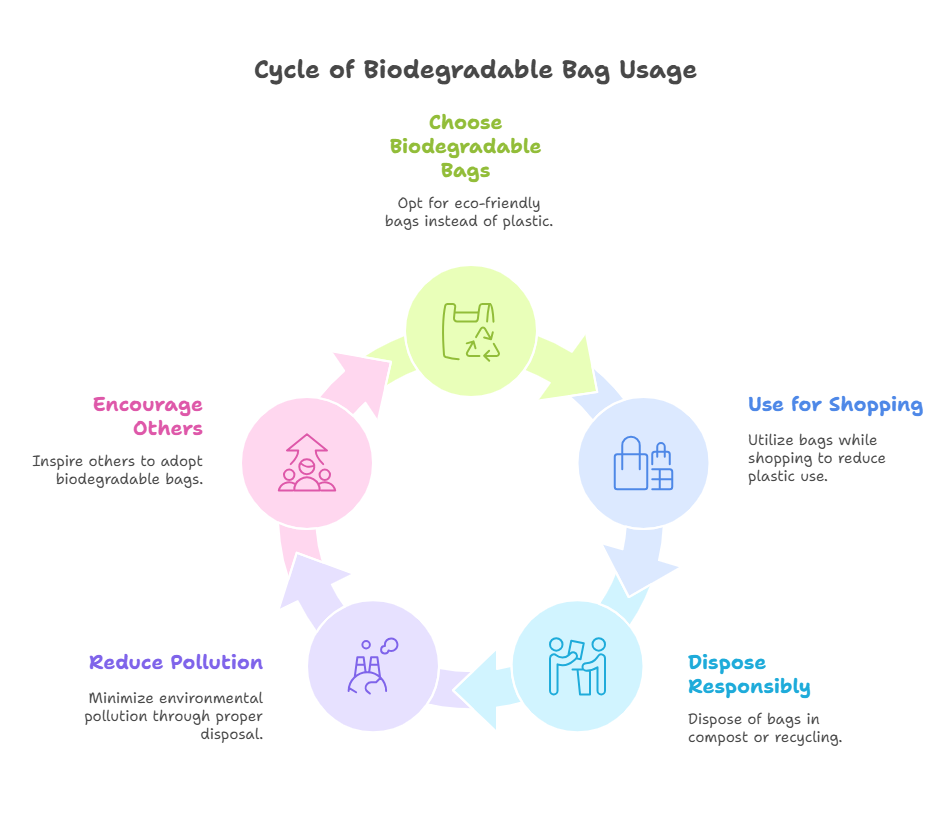
Helping the environment starts with small changes. One simple way is to use biodegradable bags instead of plastic. These eco-friendly bags break down naturally and reduce pollution.
Whether you are shopping, throwing away waste, or running a business, biodegradable bags are a better choice. They help keep the planet clean and safe for future generations.
Make a small change for a big impact—switch to biodegradable bags!
FAQ
Biodegradable bags are eco-friendly bags made from natural materials. They break down quickly and do not harm the environment like plastic bags.
Unlike plastic, which takes hundreds of years, biodegradable bags break down within a few months to a few years, depending on the material and conditions.
Yes! Biodegradable bags are designed to be strong and durable, just like plastic bags. They can carry groceries, clothes, and other items safely.
Using biodegradable bags helps reduce plastic waste, keeps the environment clean, and protects wildlife. It’s an easy way to make a big difference!